Thursday, April 28, 2011

Inspect your plants before purchasing

With all the rain and gloomy days we aren't just the only things suffering.  As we begin to dry out we will be tempted to go purchase plants to either cheer up the landscape or cheer up the pallate.  Be very cautious when purchasing plants after this monsoon season.  They like us have been setting around doing nothing for several days now and can develop some bad problems.  Don't be afraid to check the root system for good white roots and be sure to cull the plant if you see leaf spotting, wilting, or just overall lackluster conditions. 

One problem we need to be particularly diligent on occurs on our Tomato plants.  A disease called late blight has shown up extremely early over the last two years and with the weather we have had we can expect to see this issue again.  http://www.ca.uky.edu/agcollege/plantpathology/ext_files/PPFShtml/PPFS-VG-14.pdf

The link above will give you much more insight as to what to look for and the images are shots of late blight on transplants.

Wednesday, April 27, 2011

Wet weather stirs up insects


LEXINGTON, Ky., (April 27, 2011) – As rain continues across the state, insects may find their way into people’s waterlogged backyards, homes and landscapes.


     “There are insects and their relatives that thrive under most any set of conditions; this spring belongs to the ‘water bugs,’” said Lee Townsend, extension entomologist in the University of Kentucky College of Agriculture.

      Some of the biggest wet-weather nuisances are floodwater mosquitoes. These mosquitoes lay eggs in low-lying areas and wait for spring rains. Adults emerge around two weeks after a heavy rainfall—ready to eat. They may travel as far as 10 miles away from their breeding site in search of food.

       Two of the most common are the floodwater mosquito and the inland floodwater mosquito.

       The inland floodwater mosquito is a significant pest in Western Kentucky that can spawn several generations each year. The mosquito strikes its victims mainly at dusk or just after dark.

       The floodwater mosquito is active from late spring through summer. It is most active in the early evening and has an irritating, painful bite.

      “Fortunately, except for dog heartworm, they are not significant disease carriers,” Townsend said.

       Mosquitoes can be avoided by staying indoors when the insects are most active, wearing light-colored, long-sleeved clothing and using insect repellent.

       Wet weather also brings several arthropods indoors including clover mites, springtails and ants.

       Only 0.03 inches long, clover mites look like moving dark spots to the naked eye. Clover mites will not harm people or pets but are considered nuisances because they often are found in large numbers and leave a red-brown stain when crushed.

       The grass-eating mites are always present in lawns, but thrive during cool, wet springs or in excessively fertilized turf. They will crawl up outside walls and enter homes around doors or windows.

       If found indoors, wipe the mites up with a soapy rag or wet sponge being careful not to crush the mites and cause stains. The crevice tool of a vacuum is useful in mite removal too.

      Outdoor preventive measures include keeping turf trimmed and avoiding over fertilizing.

       Like the clover mites, springtails could be numerous in humid or moist areas around homes and landscapes. They typically enter homes at the foundation, doorways or at basement or crawlspace openings.

      The springtails will die in dry air. If springtails are persistent in a home, there’s likely excess humidity or moisture. A key to controlling springtails is to reduce the humidity or moisture in your home by improving air circulation. A dehumidifier or air conditioner may help.

       Another common wet weather home invader is the pavement ant. These ants often build their nests along building foundations, concrete slabs or sidewalks and enter homes through cracks or openings. The ants have an indiscriminate palate, eating everything from dead insects to greasy foods to pet food. Oftentimes, they’ll form a trail from their colonies to their food sources. To effectively control the ants, homeowners should locate and directly treat their mound-shaped nests. Overtime, ant traps will destroy the whole colony. Homeowners also can treat an infestation by applying insecticide directly to the nest.

       In addition, it is common for cane fly larvae to appear in landscapes in the spring. These larvae resemble cutworms but have no legs or distinct head. The larvae feed on decaying organic matter in wet, shady areas. During excessively wet periods, they come out of the shaded areas and become visible on sidewalks or driveways. Neither the larvae or adults, which look like mosquitoes, are harmful, but large numbers of these could mean an area is constantly wet or has too much organic matter, which could lead to other problems.

Tuesday, April 19, 2011

Shiitake Mushroom Production Workshop


Dr. Deborah Hill will teach a workshop on shiitake mushroom production April 25, 6:30 at the Nelson County Extension Office. You will learn the entire process of production from inoculating logs to harvesting.  You will take home innoculated logs that you will begin to harvest in a few weeks.  The class is $15 and space is limited. Call the extension office, 348-9204, to reserve your log.

Monday, April 18, 2011

Eastern tent caterpillars are visible in trees now. Burning them out is not the answer but control should be attempted. Many homeowner insecticides will work well to control them. During early detection times a bacillus Thuringiensis product like Dipel will work well. Otherwise you will need to use one of the permethrin type products.  Below is a link for more specific information on this inscect.  http://www.ca.uky.edu/entomology/entfacts/ef423.asp

Tuesday, April 05, 2011

Pruning Peaches

Peach trees should already be pruned or least in the pruning process.  The collage of pictures below show a good progression of how a tree should look from beginning to end.  General rules include:
  • Begin with broken or dead limbs
  • Remove anything that crosses
  • Develop the scaffold branches
  • Open the interior in order to get plenty of light into the Middle

Monday, April 04, 2011

Crabgrass Control

Crabgrass applications should be made now.  The first application of crabgrass control needs to be applied by the middle of April.  This is an attempt to get the early germinating seeds and to have the product in place prior to the peak germination period which occurs during the middle of May til June.  In a normal year one application of a pre-emergence herbicide is all that is required.  However in a year like last year a second application of pre-emergence was needed along with a follow up post emergence application.  Crabgrass is a much bigger issue in lawns that are thin or have a low plant population.  Keeping your lawn in good vigor is very important but in some years easier said than done.  Weed Control Recommendations for Kentucky Bluegrass and Tall Fescue Lawns

Pre-Emergence Control of Annual Weed Grasses:  Crabgrass, Foxtail, and Goosegrass

benefin + trifluralin (Team)
bensulide (Betasan, PreSan, Lescosan)
oxadiazon (Ronstar)**
pendimethalin (Weedgrass Control, Pre-M, Halts, Pendulum)
dithiopyr (Dimension)
prodiamine (Barricade)
bensulide + oxadiazon (Goosegrass/Crabgrass Control)**

Friday, March 04, 2011

Grafting Workshop

Last night we had around 25 folks out to learn more about what I call the "art" of Grafting.  It really takes practice and practice to get this right but when you do it is a really good feeling.  Most folks were able to take home 3 or 4 trees after getting a lesson on the why and how of grafting from University of Kentucky Fruit specialist Dr. John Strang. 


Thursday, February 24, 2011

Thursday, May 27, 2010

I have been seeing a lot of Scale Insect problems on Hollies in the last few weeks.  The holly may have a dark black appearance on the old foliage with a cottony mass on the leaf surface.  The black appearance is called sooty mold and is the result of fungus growing on the insects frass.  The scale insect is generally protected by a shell and is generally diffucult to kill.  The difference being right now the insect eggs have hatched and are moving out from under their protected shell.  This is called the crawler stage and the insects are at their most vulnerable.  Click here for control options.

Thursday, May 06, 2010

Sorry I haven't been posting but as you can see spring has sprung.  Lots of things hitting us hard right now from the insect world.
  • Maple petiole borer:  Leaves of sugar maple drop unexpectedly.  Usually happens every year and began happening this week.  Will not pose a threat to the tree.
  • Little red bugs running around on the sidewalk and walls.  These are Clover mites not Chiggers, or any other bugs of bad thoughts.  Will not cause any problems and will go away shortly.
  • Rose Curculio: These are responsible for the holes in your rose flowers and can also show up on your leaves.  Will cause minimal damage and will likely not be a problem on the second flush of flowers.  Many of the permethrin type chemicals will work just read the label before using.
  • Pine Sawfly;  These are defoliating white pine trees around the county right now.  Should be controlled since a second generation will cause more damage. 
From the disease side of things we are also seeing lots of problems as well.  Here are a list of some starting to show up in my office. 
  • Peach Leaf Curl;  Very deforming to the tree usually won't cause great problems with one season of damage. Will need to be treated in order to get rid of it.  May times once we see symptoms or signs of a disease it is too late to help matters therefore we must become proactive.
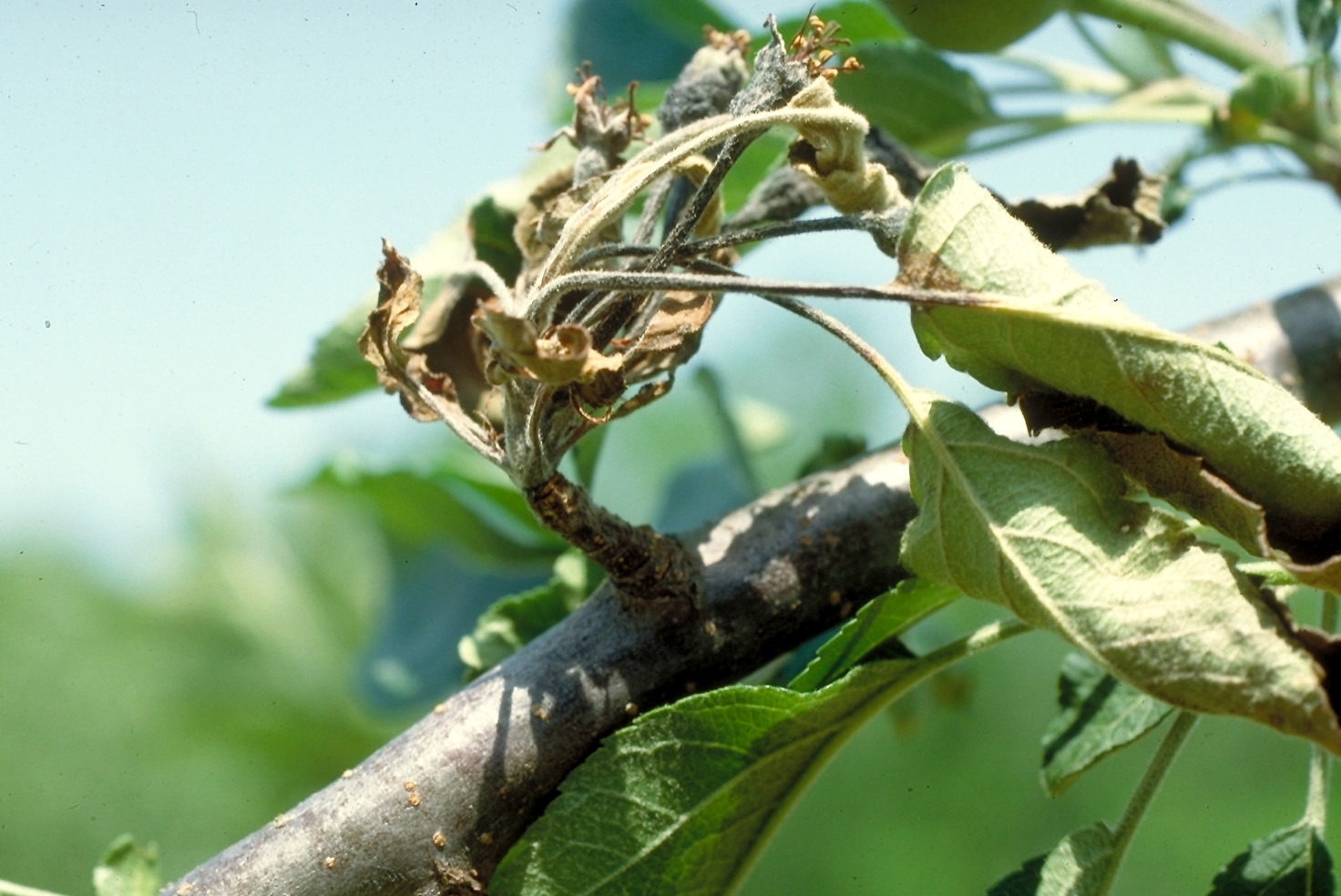
  • Fireblight;  Seems like it is going to be a slight problem this year.  Ocurs on apples and pears that are susceptible to the bacteria.  Infection occurs at the time of flowering and continues for a unknown period of time. 
As always the blue highlights are links for more detailed information so read further if the short description fits.

Tuesday, April 20, 2010

Consideration should be given to watering during this current dry period.  Our meterologist has indicated that this season may be setting up to be a dry one.  Plans should be made now to avoid plant loss due to dry weather. Focus on water saving techniques such as drip irrigation, timers, and rain barrels can not only save you money but can also save your plants as well. 

There will be a rainbarrel workshop as a part of the June 5th Blooming Bardstown Garden Tour.  This year there will be an educational component to the tour featuring several different topics.  

Friday, April 09, 2010

Gardening in my yard

Spring break is the time I generally get the yard in shape around my house.  This year I made a point to address one of my perennial gardens for renewal.  It was installed 10 or 11 years ago and I hadn't done much to it over the years.  But this week I tackled it by digging everything out and then tilling the bed.  I took the perennials to the barn where I began dividing.  If your are looking for money saving ideas; dividing perennnials is a no brainer.  For example four clumps fo daylilies turned into twenty five, four clumps of blue sage turned into fifty clumps, and one clump of an ornamental grass became seventy five. Once I had the divisions done I began to create the design for the garden based on what I had available.  After the design was settled on planting began.  Before transplanting fertilize was applied and worked into the soil.  After transplanting was complete a preemergent herbicide was applied and everything was watered.

Friday, April 02, 2010

Pruning Fruit Trees

Now is the time to be pruning your fruit trees.  I have made farm visits on a couple of occasions this week to see the progress of pruning on both commercial and backyard orchards.  This nice weather has given perfect opportunity to get the job done.  Above you can see a before and after picture of apples during the pruning process.  Notice the central leader and the four or five scaffold branches that remain.  He generally begins with the removal of the water sprouts,  broken limbs, thinning cuts and finnally heading back cuts.  The goal is to create a strong fruiting structure and create balance in the tree for sunlight penetration and fruit holding capacity. 
       Below you'll see the pictures of peaches in the pruning process.  Notice the openness of the structure.  The final product should be bowl in shape (open in the middle) with four to five scaffold limbs balanced around the trunk.  Pruning any fruit tree should take three years to get the structure correct and then followed by a lifetime of annual pruning.

Tuesday, March 30, 2010

Small Kitchen Garden Coldframe

    Thought I would share a little project with you that we are using here at the office for our 4-H cooking club.  It's a small inexpensive coldframe that we begin some kitchen garden type plants in for the class. Things like herbs, lettuce, onions, leeks and other food plants.  The kids can pick and use fresh product in their dishes and become acquainted with the process of growing food. 
     This was constructed using two recycled storm doors.  The doors are attached to a lumber frame custom made for the door sizes.  This happens to be an 80" x 53" box made from 2" x 10" lumber.  There are two identical boxes stacked on top of one another and the top can simply lift off in order to till the bed at the beginning of each season.  The on door is automatically ventilated using a automatic opener as seen in the small picture.  This project was completed for less than $100 dollars in materials. 

Wednesday, March 24, 2010

Community garden and Bardstown Farmer's Market

Here are a couple of items of business that may interest some of you. 
  1. The Bardstown Farmers Market is now accepting applications for the 2010 campaign.  You can get the new rules and the application from my home page for the Farmers Market at this link
  2. The Nazareth Community gardens will be in operation again this year sign ups will begin on Monday March 29th.  Please call the Nelson County extension office for details and to sign up. The number is 348-9204 or you can email me at robsmith@uky.edu
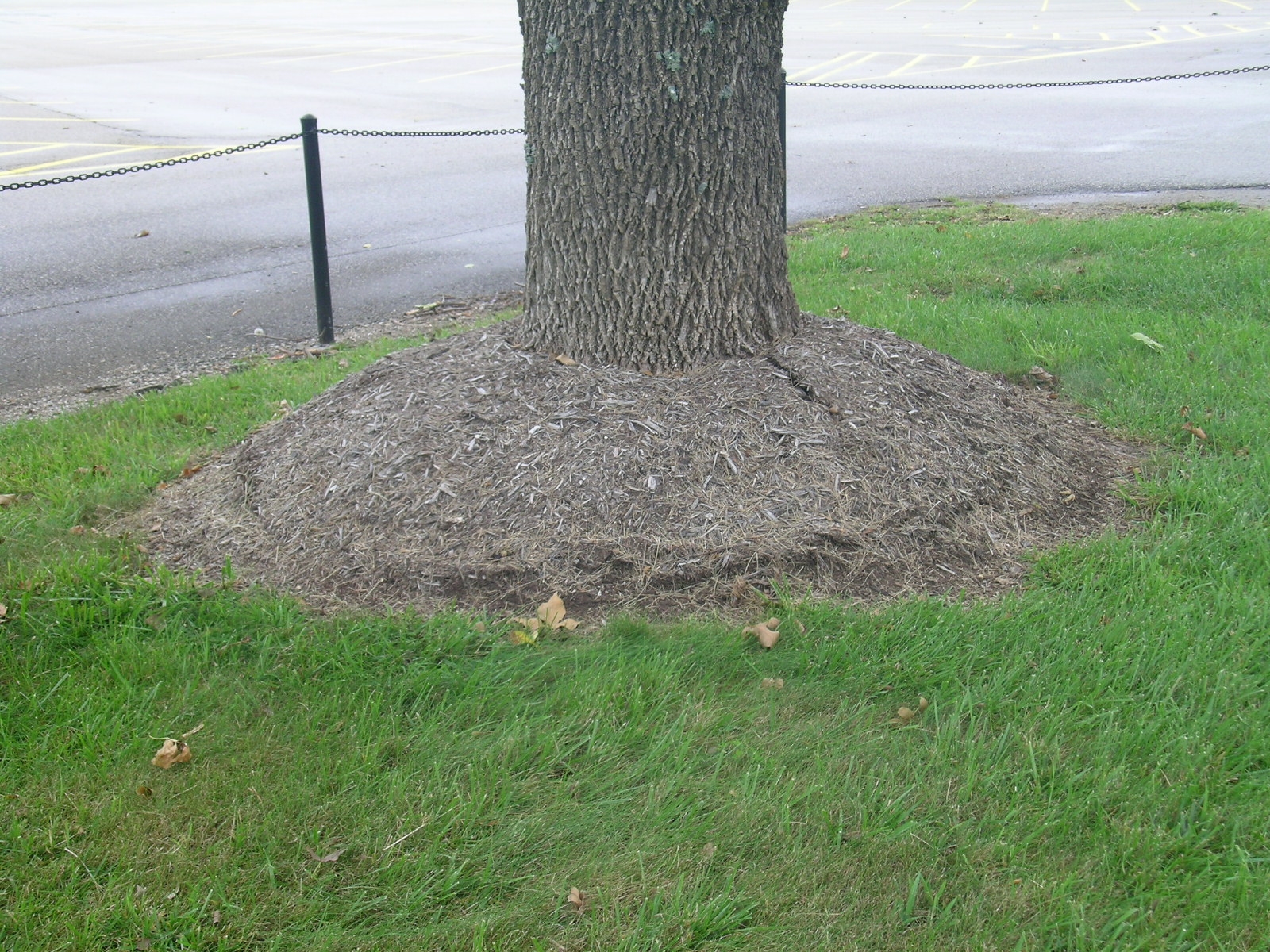
Spring has sprung and I have the fever.  I spent the weekend spreading mulch and pruning trees in the yard.  This is the ideal time to spread mulch as it is before the mowing and planting rush and somewhat before the rush of plant growth.  Spread only a couple of inches thick and don't volcano mulch your trees.  Pruning should concentrate on removing dead material and anything crossing and make proper pruning cuts.  Get outside this weekend and get busy. 

Wednesday, March 17, 2010

The only thing I can say is that it is finally starting to resemble spring. In this post I am going to outline several things that you may consider doing this spring before it is time to begin mowing.


Weed Control can be done now. A spray for broadleaved weeds can be done now. You should aim at using a product that has more than just 2-4D. The product should contain 2-4D and a couple of other items like mecoprop, dicamba, etc.

• A pre-emergence crab grass control (granular form) should be applied before April 15th for the Central KY area. Multiple applications may be needed for superior control and applications should be made prior to a light rain for activation.

Bermuda Grass control should be left alone until the first of June when (if this your desire) multiple applications of a glyphosate product will need to be sprayed well past where you think the Bermuda extends. Applications will need to be made every couple of weeks until the first of August. Reseeding can take place around the 15th of August.

Bulbs of all kinds are beginning to poke their heads from the soil. This is a good time to apply a little fertilize like a 10-10-10 or Bonemeal.

• To enjoy spring blooming plants before they bloom cut some stems of Forsythia, Flowering Almond, Flowering Quince, or any really early bloomer and bring them in to a vase of water and watch them explode with color.

Thursday, March 11, 2010

Couple of updates for you:

Ground has been broke for the community garden and planning is being made to double the number of garden plots for this year.  The Master Gardeners are planning to also include a Demonstration garden this year as well.  For those who participated last year you will receive a letter as to the start date for anyone who is interested in a plot this year keep watching this blog and the paper for updates. 

On March 17th at 6:30 pm we will have a organizational meeting for the Bardstown Farmers Market.  Signups will take place that evening and information on WIC and Senior programs will be shared.  If you are coming please let me know.

Thursday, March 04, 2010

We had a super set of Classes last evening but if you weren’t able to attend I will attempt to provide you the take home message.


Starting Seeds at Home Take Home Points:

• Lighting is very important. Regular Bright light Fluorescent bulbs will provide a very desirable visible spectrum for plant growth. They are as good or better than the so called plant grow bulbs. Do not use incandescent, too much heat, and not enough usable light spectrum.

• Lighting should remain on throughout the germination phase and as long as they are grown inside. A 16 hour cycle of lighting will be best and the light should remain 2 to 3 inches above the plant canopy while grown indoors for optimum growth.

• Air circulation is very important after germination for two reasons; it helps to reduce disease problems and it also helps to strengthen the stems.

• A soil thermometer will help you gauge temperature levels in the seed starting area. Different plants prefer different temps but as a general rule between 70 and 80 degrees will suffice.

• Light fertilization should begin shortly after germination and as a general rule begin with a halved rate of fertilize based on the indoor plant feeding directions found on the back of your choice of soluble fertilize.

• Pay attention to the planting depth of your seeds and cover lightly if necessary.

Backyard Greenhouses 101: From Building to Growing.
• Greenhouse construction is not an exact science. Your means, desires, and potential use will all play into what you end up with. This link, Hobby Greenhouse Construction, will help weigh all the options.

• Ventilation is one of the most important factors to consider. On a sunny day in late winter early spring a closed greenhouse can heat up past 120 degrees in no time flat.

• Best greenhouse skin is two walled Acrylic (expensive), next is twin walled Lexan (less expensive) and final best is two layer 6 mil clear poly (1/10 cost of the first two, but will only last three to four years).

• Disease, insect, and water management are the primary issues with growing in a greenhouse environment.

Just let me know if you need any more information.

Tuesday, March 02, 2010

We still have a few spaces left for the classes that will be held at the Extension office on March 3rd.  Starting seeds at home and Backyard Greenhouse 101: Building and Growing are being offered at 3:30 and 6:30 respectfully. Dr. Rebecca Schnelle will be offering both subject matters so if  you are interested please call the Nelson County Extension Office to sign up at 502.348.9204.